

Who We Are
The Unasked Question is a data-driven project focused on questions that are commonly felt but rarely examined.
We create original surveys, analyze aggregated responses, and publish findings that challenge assumptions about everyday topics—money, relationships, work, and decision-making.
This project is not about opinions, advocacy, or prescriptions. It is about clarity. By surfacing patterns and perspectives that often remain unspoken, we aim to create space for more thoughtful, evidence-based discussion.
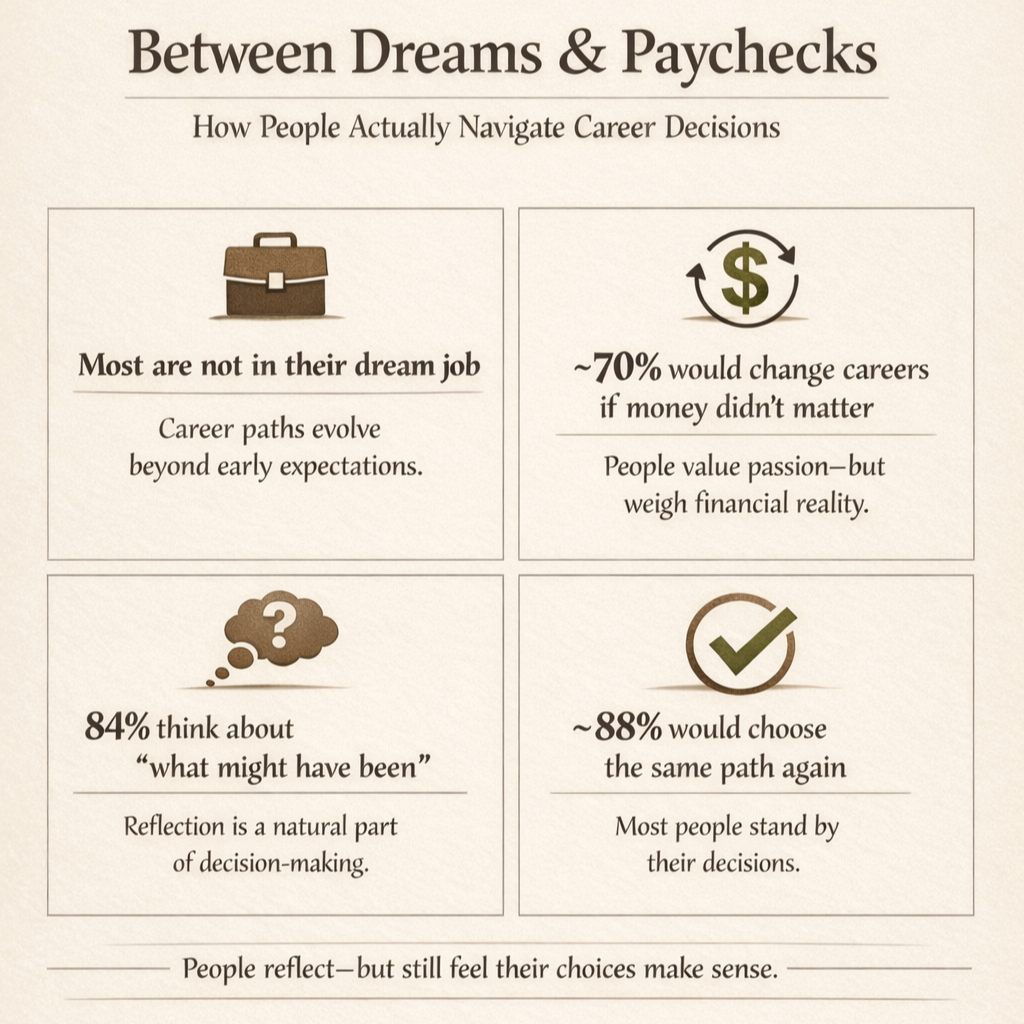
Part 5: Is It Ever Too Late to Change?
Across 862 respondents, most people don’t regret their careers—but they still think about what might have been. And while belief in being “too late” increases with age, it’s not driven by time alone.
It emerges where time, financial stability, and responsibility intersect.
This final part of Between Dreams and Paychecks explores what shapes that belief—and why the same factors that create stability can also make change feel harder.
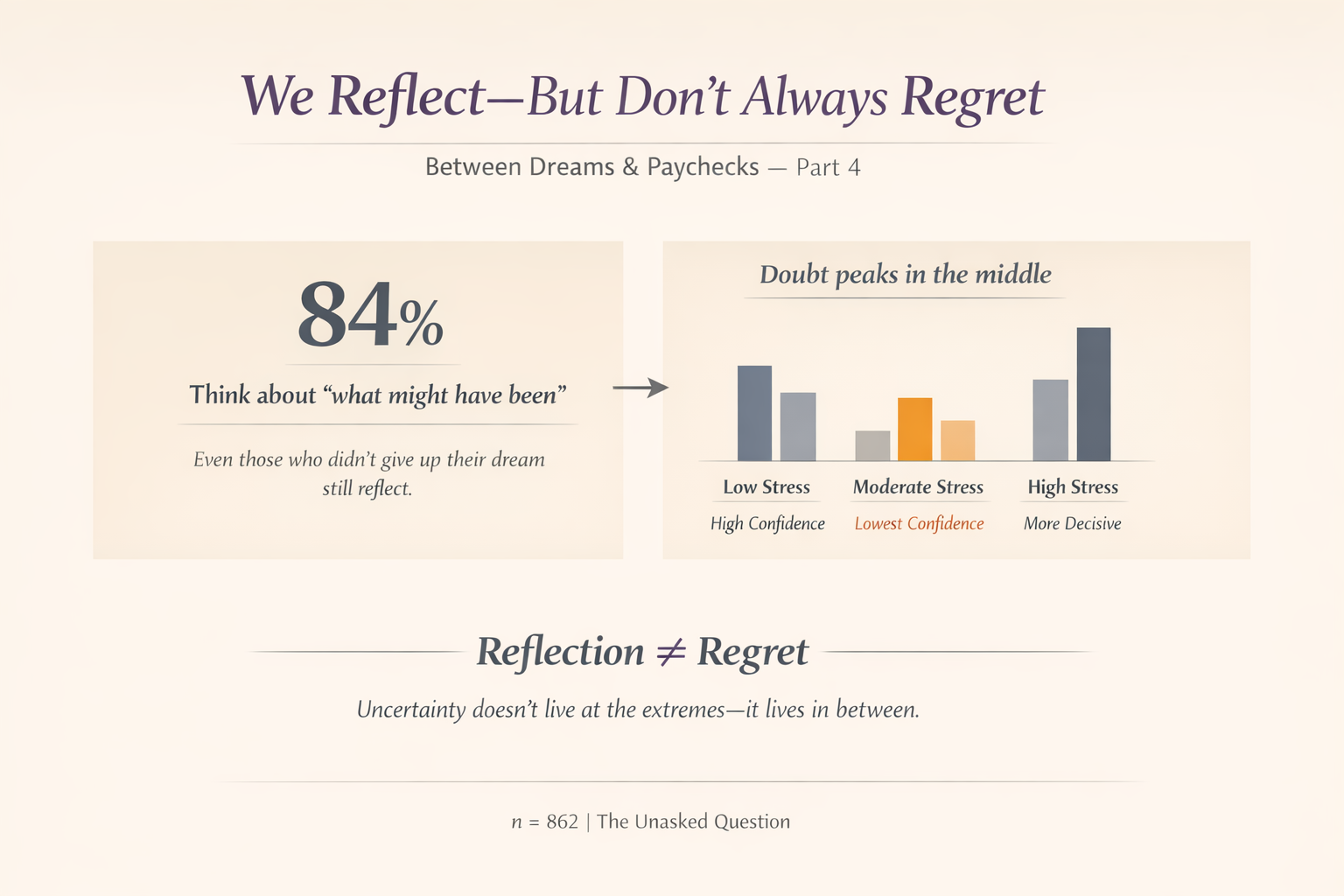
Part 4: Do We Regret Our Career Choices?
Most people think about “what might have been”—but that doesn’t mean they regret their career choices. This article explores how reflection, stress, and life circumstances shape how we look back on the paths we didn’t take.
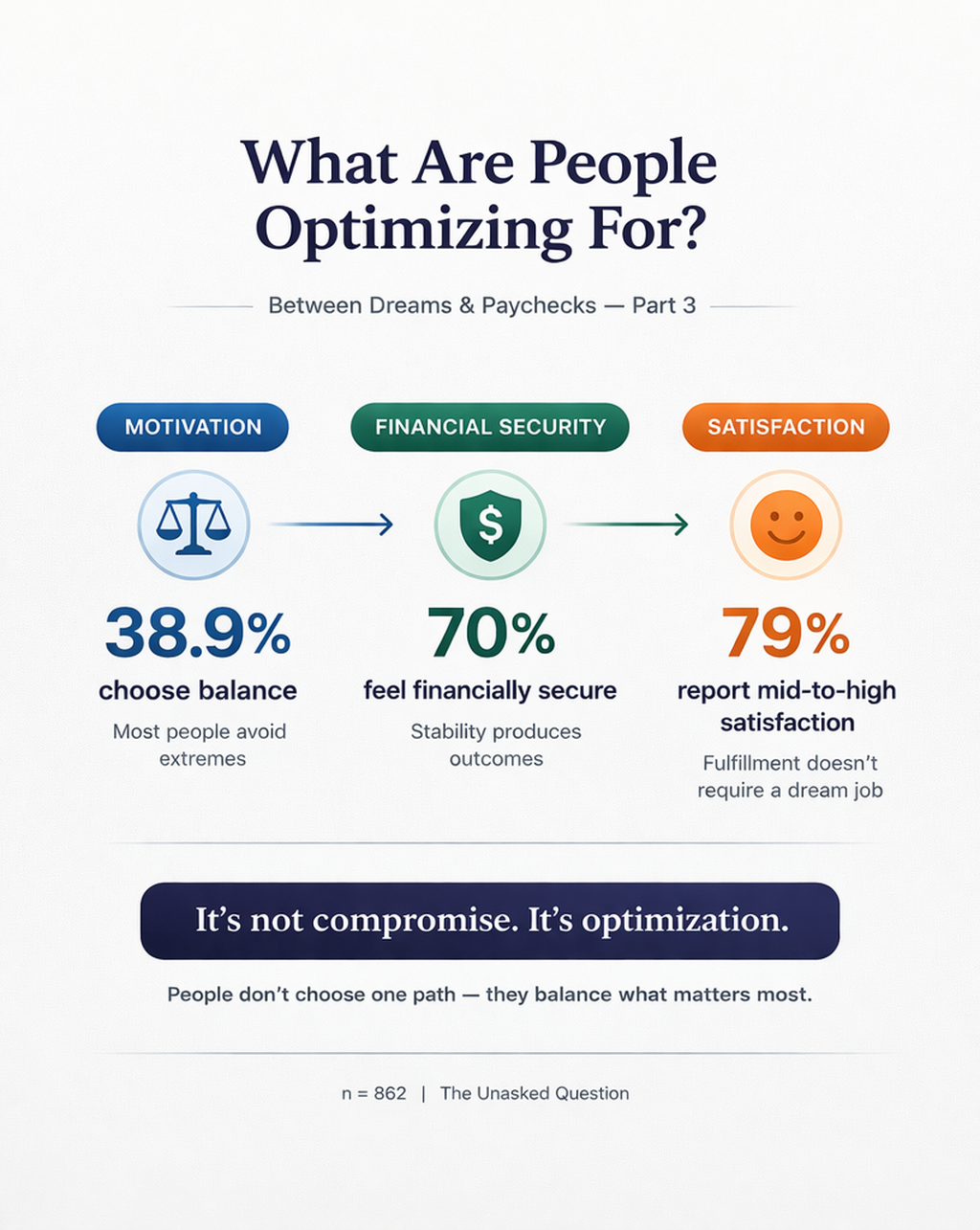
Part 3: Stability, Passion, or Balance - What Did We Choose?
Most people aren’t chasing their dream job—and the data suggests that might be intentional. This article explores how career choices around stability, passion, and pay actually translate into financial security and satisfaction.
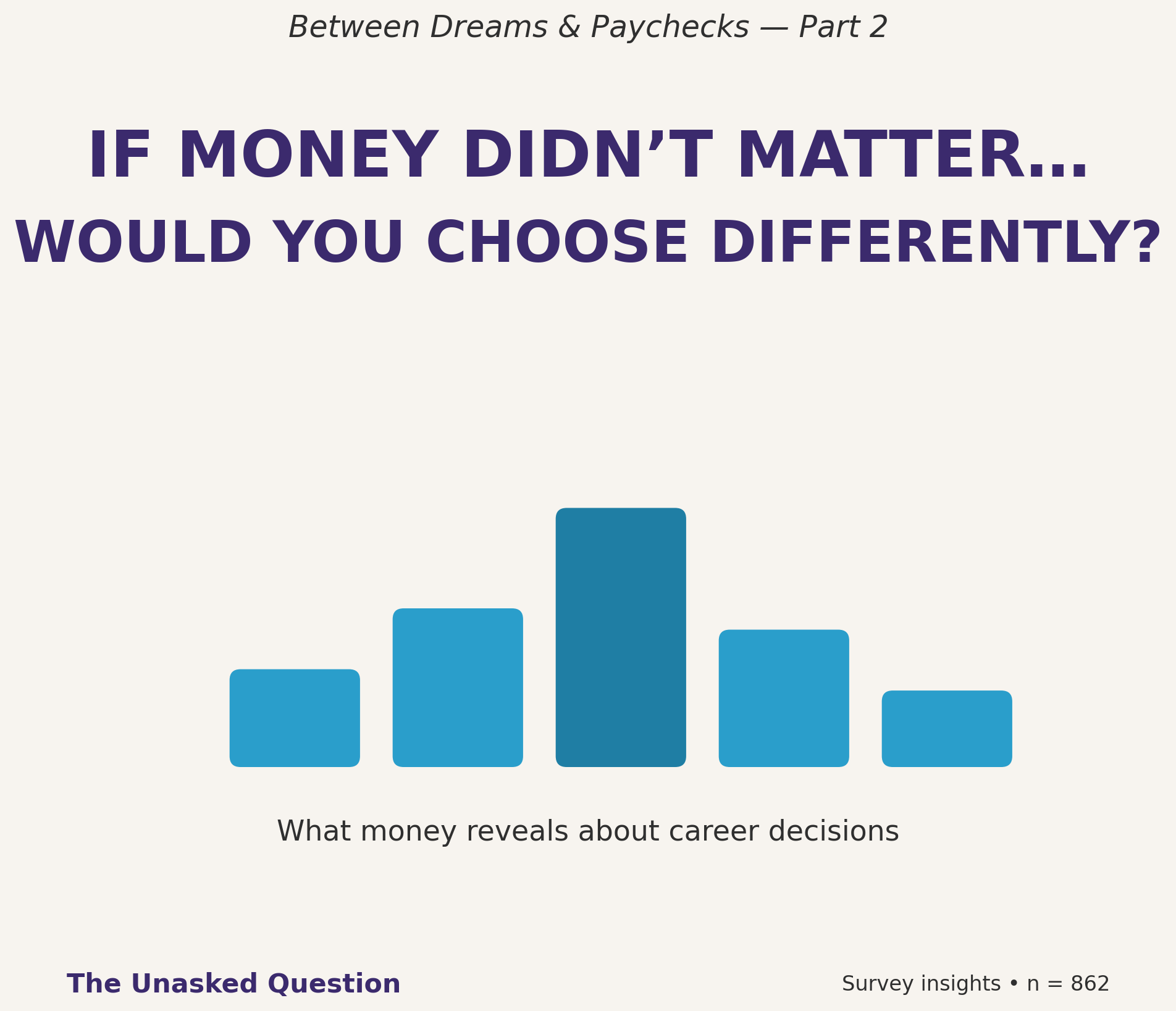
Part 2: If Money Didn’t Matter, Would You Change Careers?
What would you change if money didn’t matter?
In Part 2 of Between Dreams & Paychecks, we explore how financial reality shapes career decisions — and why many people who feel satisfied still wonder about other paths. Using survey data from 850+ respondents, this article examines the tradeoffs between stability, income, and purpose.
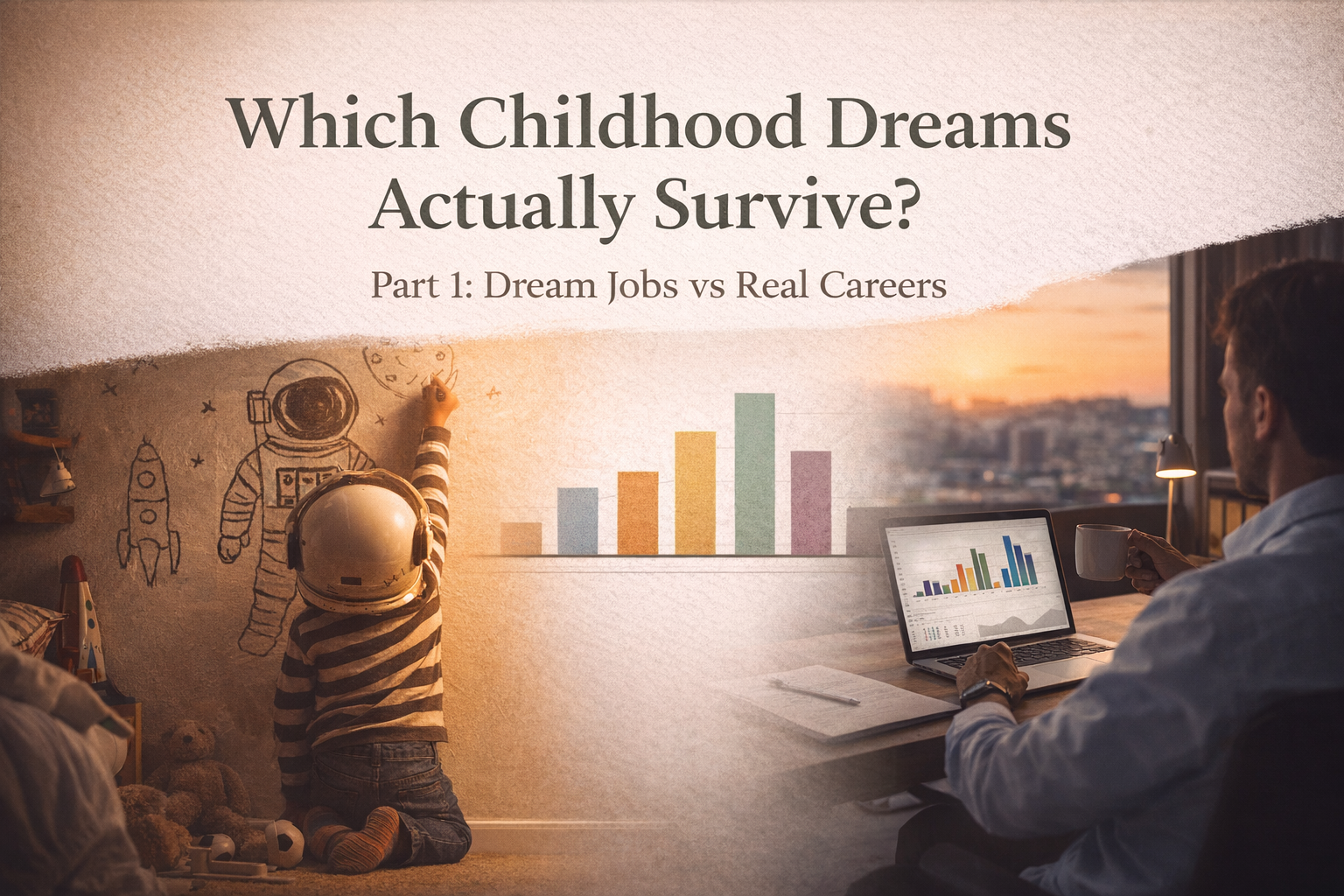
Part 1: Are We Living Our Dream Job?
Most of us had a dream job growing up. Using original survey data, this first installment explores which childhood career dreams actually survive into adulthood—and what happens to the rest.

About the Series: Between Dreams and Paychecks
A data-driven series exploring how adults balance childhood dreams, financial realities, and long-term career satisfaction—without judgment or clichés.
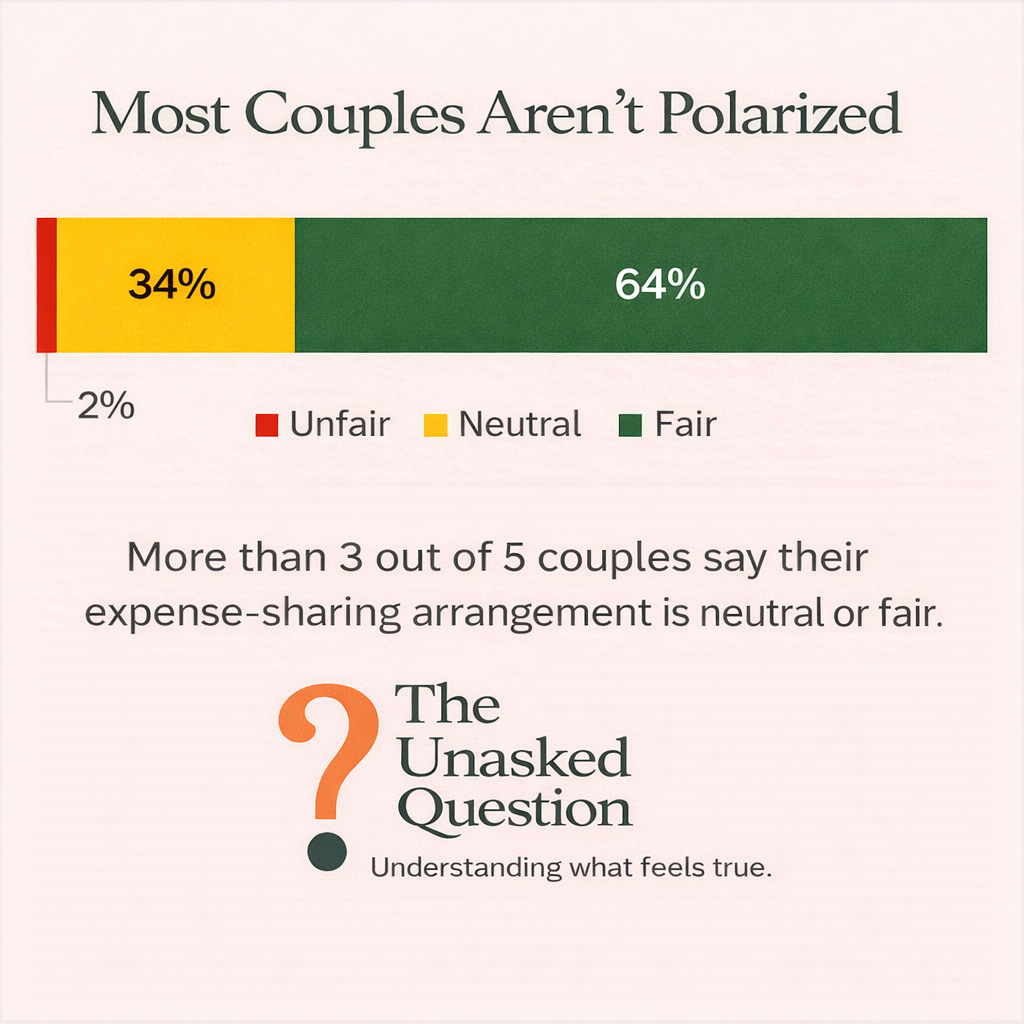
Part 4: Unequal but Fair: What This Series Reveals About Financial Imbalance
After examining how couples split expenses—and how those arrangements feel over time—one pattern stands out: most couples aren’t polarized. This concluding piece brings the data together to explore why fairness in relationships rarely shows up as strong agreement or dissatisfaction, and what that quiet middle reveals about how people live with financial imbalance.
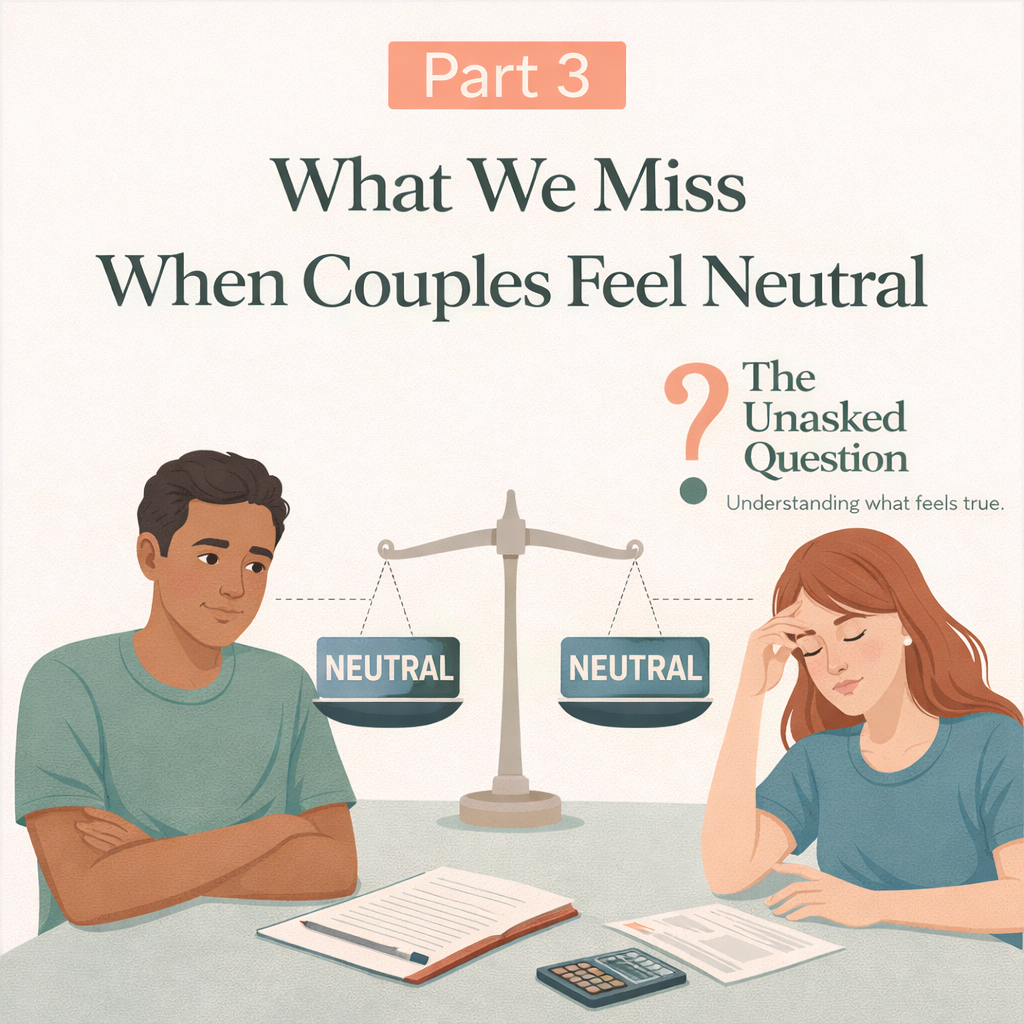
Part 3: When Neutral Isn’t Negative: What “Neither Fair Nor Unfair” Really Means
Neutral responses are often treated as indifference, but survey data from 700 cohabiting U.S. adults suggests they tell a different story. This article explores why many couples describe their expense-sharing arrangements as “neither fair nor unfair,” and what that quiet middle reveals about acceptance, stability, and unexamined norms.
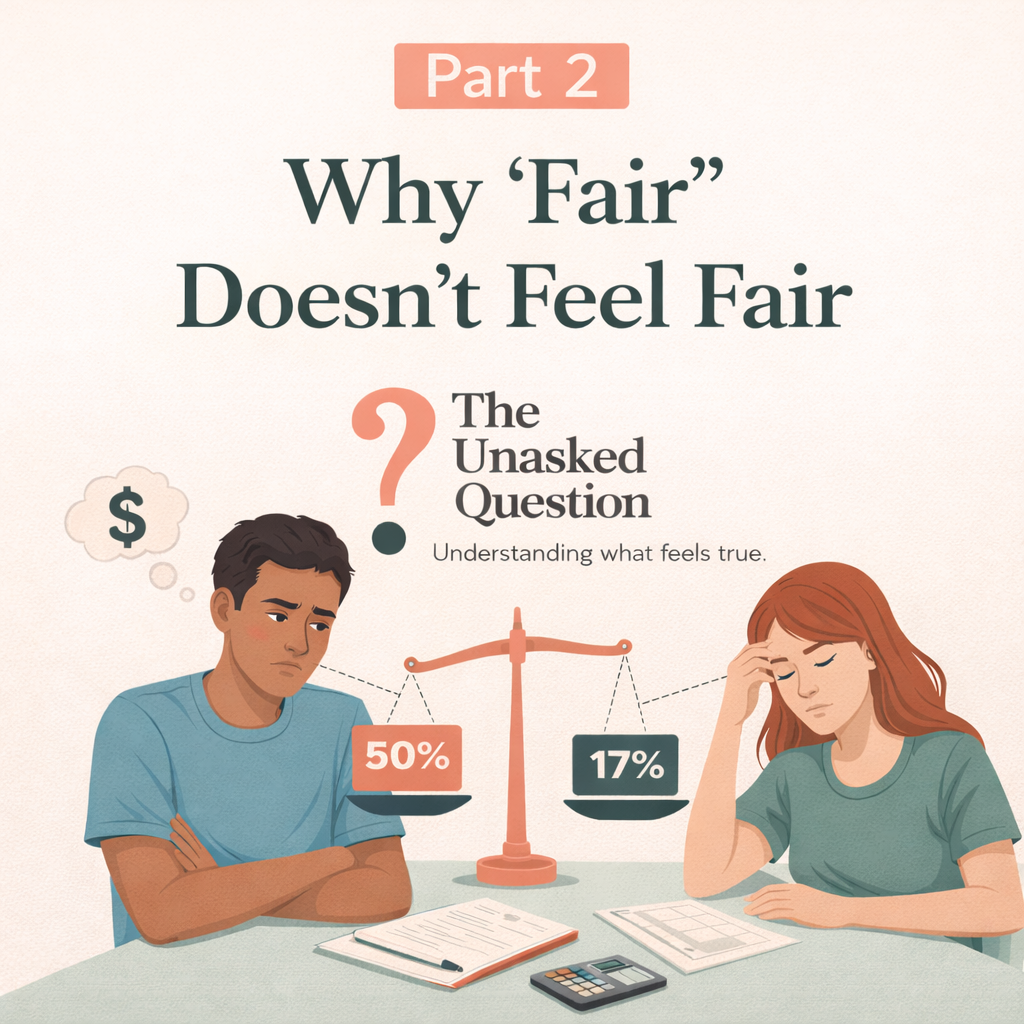
Part 2: Why Proportional-to-Income Splits Underperform in Practice
Proportional-to-income splits are often described as the fairest way to share expenses. But survey data from 700 cohabiting U.S. adults suggests the reality is more complicated—especially depending on who earns more. This article examines why a solution that looks equitable on paper can feel far less fair in practice.
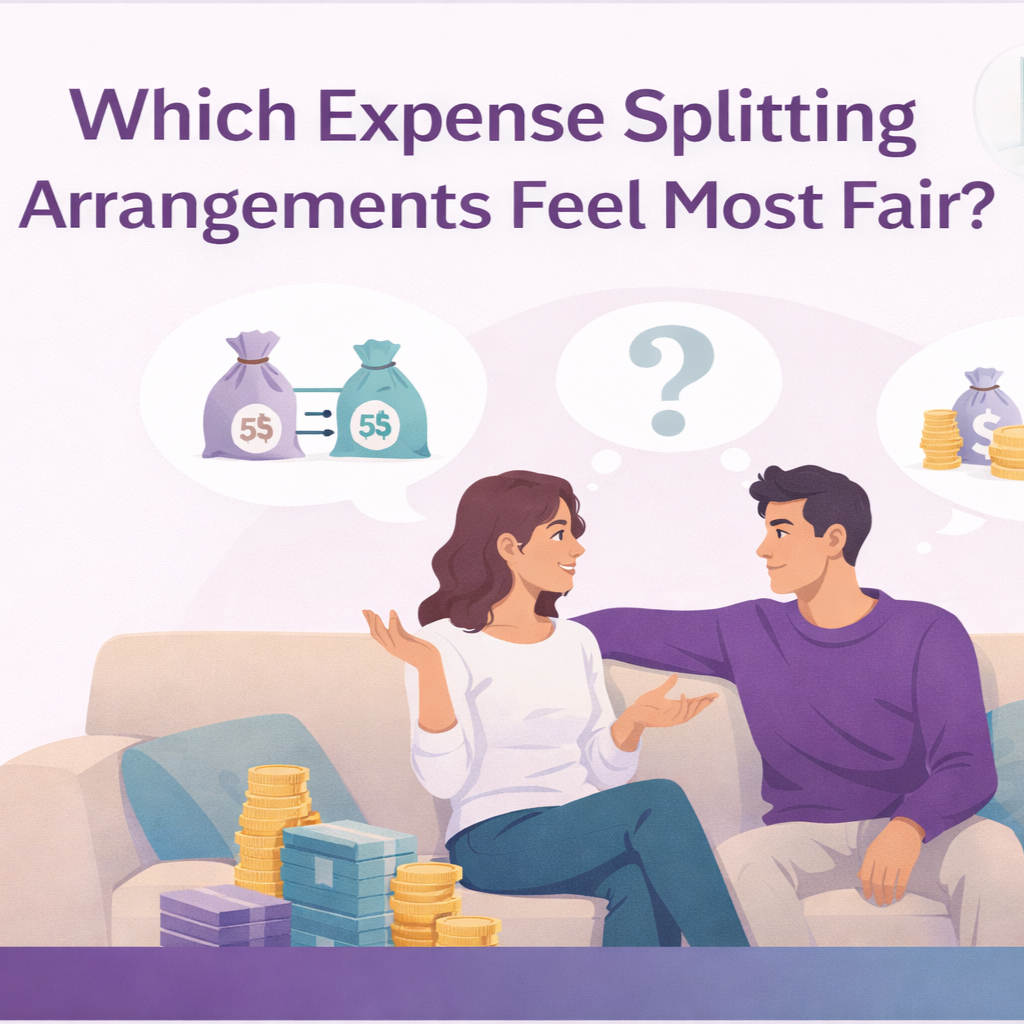
Part 1: Which Expense Splitting Arrangements Feel Most Fair?
When couples share a home, they also share expenses—but not always in the same way. Drawing on survey data from 700 cohabiting adults in the United States, this article explores how couples divide household costs and which arrangements actually feel fair. The results suggest that fairness isn’t just about equality—it’s about agreement.